
Description
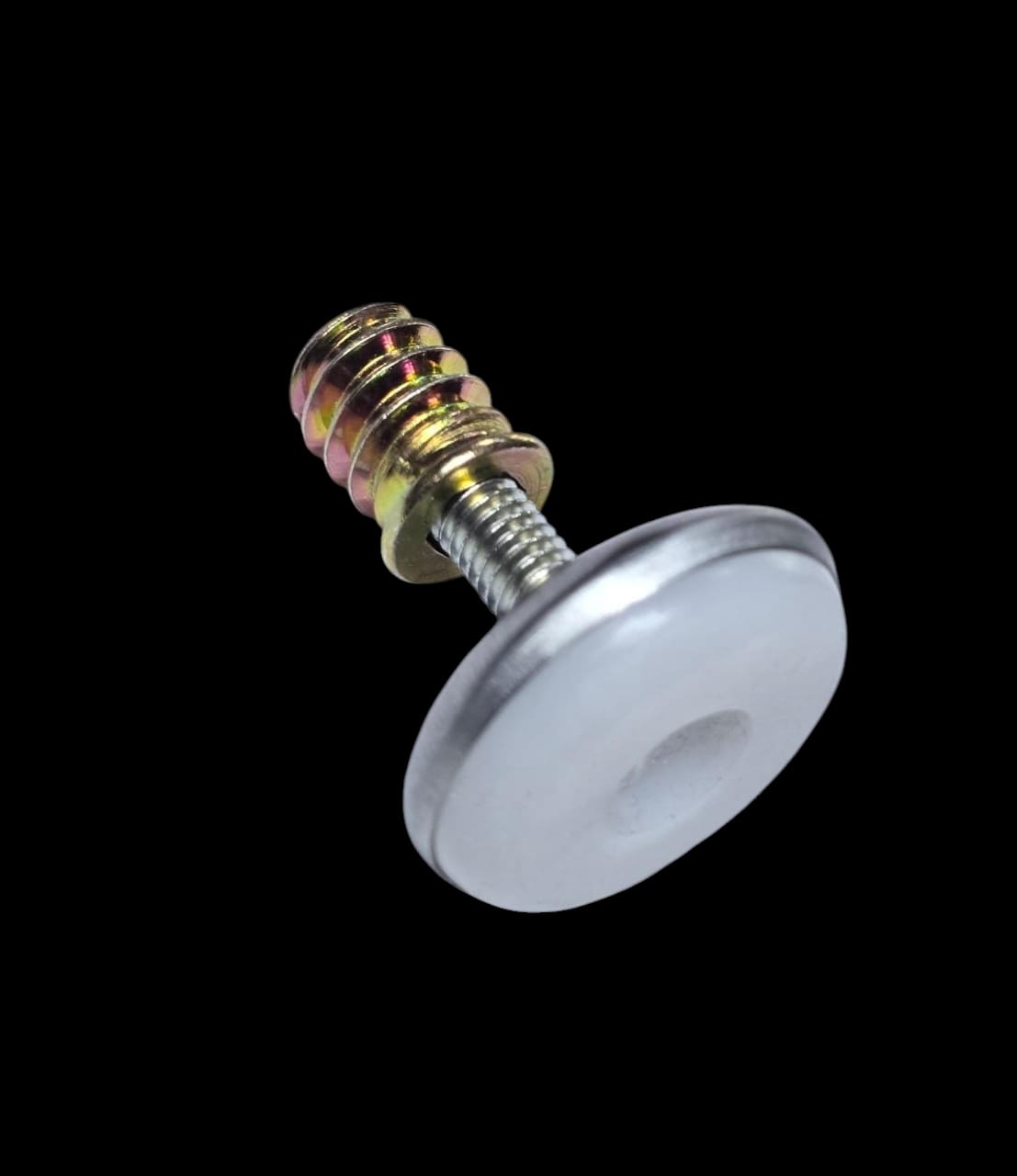
Adjustable foot lever
Adjustable levelling feet, also called machine feet or furniture levelers, are precision mechanical components. They provide a stable, wobble-free base for equipment, furniture, and industrial machinery on uneven surfaces.
These essential hardware devices consist of a threaded stem and a load-bearing foot. They allow vertical height adjustment by simply rotating the stem.
Whether stabilizing a wobbly kitchen table or setting up a precision conveyor system, adjustable levelling feet offer a simple, effective, and durable solution.
The fundamental challenge they solve is universal. Floors are rarely perfectly level. Traditional solutions like folded paper or shims are temporary and unsightly.
Adjustable foot levelling
Adjustable foot lever
A quality levelling foot provides permanent, micro-adjustable stability. Adjustable foot levelling also protects both the equipment and the floor surface.
Modern adjustable levelling feet are manufactured from a range of materials. These include zinc-plated steel, stainless steel, glass-reinforced polyamide, and engineered thermoplastics.
Load capacities range from light-duty furniture applications at 150kg per foot to extra-heavy-duty industrial supports exceeding 2000kg per foot.
Adjustable foot levelling guide covers the full spectrum of adjustable levelling foot technologies. By understanding the distinct types and their applications, you can select the exact adjustable foot required for your project.
What Are the Main Types of Adjustable Levelling Feet?
Understanding the mechanical differences between levelling foot types is critical to selecting the correct component. The industry categorizes adjustable feet into three primary architectures.
Fixed Levelling Feet are the simplest configuration. Adjustable foot levelling feature a rigid base permanently aligned with the threaded stem. The foot plate remains in full, flat contact with the mounting surface.
Adjustable foot lever
Fixed feet allow vertical adjustment only. They are ideal for applications where the supporting surface is reasonably flat and the equipment is stationary. They offer the highest load capacity for a given size due to the absence of moving joints.
Articulating Feet incorporate a ball-and-socket joint between the stem and the foot plate. This critical feature allows the foot to pivot and self-align, conforming to floor irregularities up to specific tilt angles.
Articulating adjustable levelling feet are essential when equipment is placed on sloped surfaces or uneven concrete. Adjustable foot levelling are also necessary when the mounting holes are not perfectly perpendicular to the floor.
Tilting Feet are advanced articulating models. Adjustable foot levelling offer multi-directional angular adjustment. They are often used for fine-tuning the precise angle of sensitive equipment like laboratory devices or packaging line components.
What Are Hygienic Design Levelling Feet and Why Are They Different?
For industries requiring strict sanitary standards, standard adjustable levelling feet are insufficient. These industries include food processing, pharmaceuticals, and medical devices.
Hygienic design feet are engineered with specific features to prevent bacterial contamination. Adjustable foot levelling specialized adjustable levelling feet incorporate FDA-compliant seals that eliminate dead spaces where debris and microbes can accumulate.
A bottom seal protects the area beneath the foot plate. Wipers seal moving components against the environment. The high-quality stainless steel finish prevents dirt adhesion and facilitates rapid cleaning.
Adjustable foot lever
Critically, these models are certified according to 3-A Sanitary Standards, EHEDG, and DGUV Test. This makes them legally compliant for direct food contact areas. These are not optional upgrades. They are regulatory requirements in many jurisdictions.
How Do I Select the Correct Thread Size and Load Capacity?
Selecting an adjustable levelling foot requires matching three critical specifications to your application.
Thread Size must match the threaded insert in your equipment or the nut you intend to use. Common sizes range from miniature M8 for office furniture to heavy-duty M24 for industrial presses. Always verify thread pitch and diameter.
Load Capacity is the maximum static load per foot. CRITICAL: Load ratings assume purely vertical, compressive force. Bending loads, angular loads, or dynamic impacts significantly reduce effective capacity.
These Adjustable foot levelling factors must be included in your safety margin. Capacities in the search results span from 150kg for miniature feet to 2000kg for heavy-duty stainless steel models.
Environmental Conditions determine material selection. Standard zinc-plated steel feet are adequate for dry indoor use. Stainless steel is mandatory for wet, outdoor, coastal, or corrosive environments.
Polypropylene or polyamide feet offer chemical resistance and are non-marring.
How Do I Install and Adjust Different Levelling Foot Types?
Installation and adjustment mechanisms vary by design.
Threaded Stud Models are the simplest type. The stud screws directly into a pre-tapped hole in the equipment leg. Height is adjusted by rotating the equipment or the foot.
Hex Base Models feature a hexagonal base. Adjustment is performed by turning the base with a spanner or by hand. This rotates the fixed stud.
Top-Adjusting Patented Designs describe a sophisticated mechanism. An adjustment knob located on top of the leg is accessible from above. It rotates a drive stud to advance or retract the foot below.
This Adjustable foot levelling is advantageous when the underside of the equipment is inaccessible.
Hex Wrench Micro-Adjustment is designed for confined spaces. This extra-heavy-duty leveler features an inner hexagon socket accessible from the side or bottom. It allows precise adjustment under full load without needing to lift the cabinet.
L-Bracket Mount feet do not thread into a leg. An L-shaped steel bracket screws onto the bottom face of the furniture. The levelling foot adjusts vertically from the bracket.
What Anti-Slip and Floor Protection Options Exist?
Many adjustable levelling feet incorporate features to prevent equipment movement and protect flooring.
Anti-skid pads are embedded rubber or vulcanized pads on the base. They increase friction and prevent sliding.
Non-marring covers are polyethylene caps or polypropylene bases. They prevent scratching of delicate floor finishes.
Joint plates with rubber caps include a rubber cap over the joint plate specifically for anti-slip functionality.
Adjustable foot lever
Adjustable foot levelling in Mombasa, Kwale, Kilifi, Lamu, Mandera, Marsabit, Isiolo, Meru, Embu, Kitui, Machakos, Makueni, Nyandarua,
Nyeri, Kirinyaga, Murang’a, Kiambu, Turkana, Samburu, Trans Nzoia, Uasin, Gishu, Elgeyo Marakwet, Nandi, Baringo,
Laikipia, Nakuru, Narok, Kajiado, Kericho, Bomet, Kakamega, Vihiga, Bungoma, Busia, Siaya, Kisumu, Homa Bay, Migori, Kisii, Nyamira, Nairobi.
In Nairobi you can find them at: Westlands, Dagoretti, Lang’ata, Starehe, Kamukunji, Embakasi, and Kasarani, Kibera, Mathare,
Eastleigh, Karen, Lavington, Westlands, Parklands, Runda, South C, South, Ngong Road
In Mombasa you can find us at : Nyali, Mwembe Tayari, Majengo, Likoni ,Bamburi, Miritini

Reviews
There are no reviews yet.